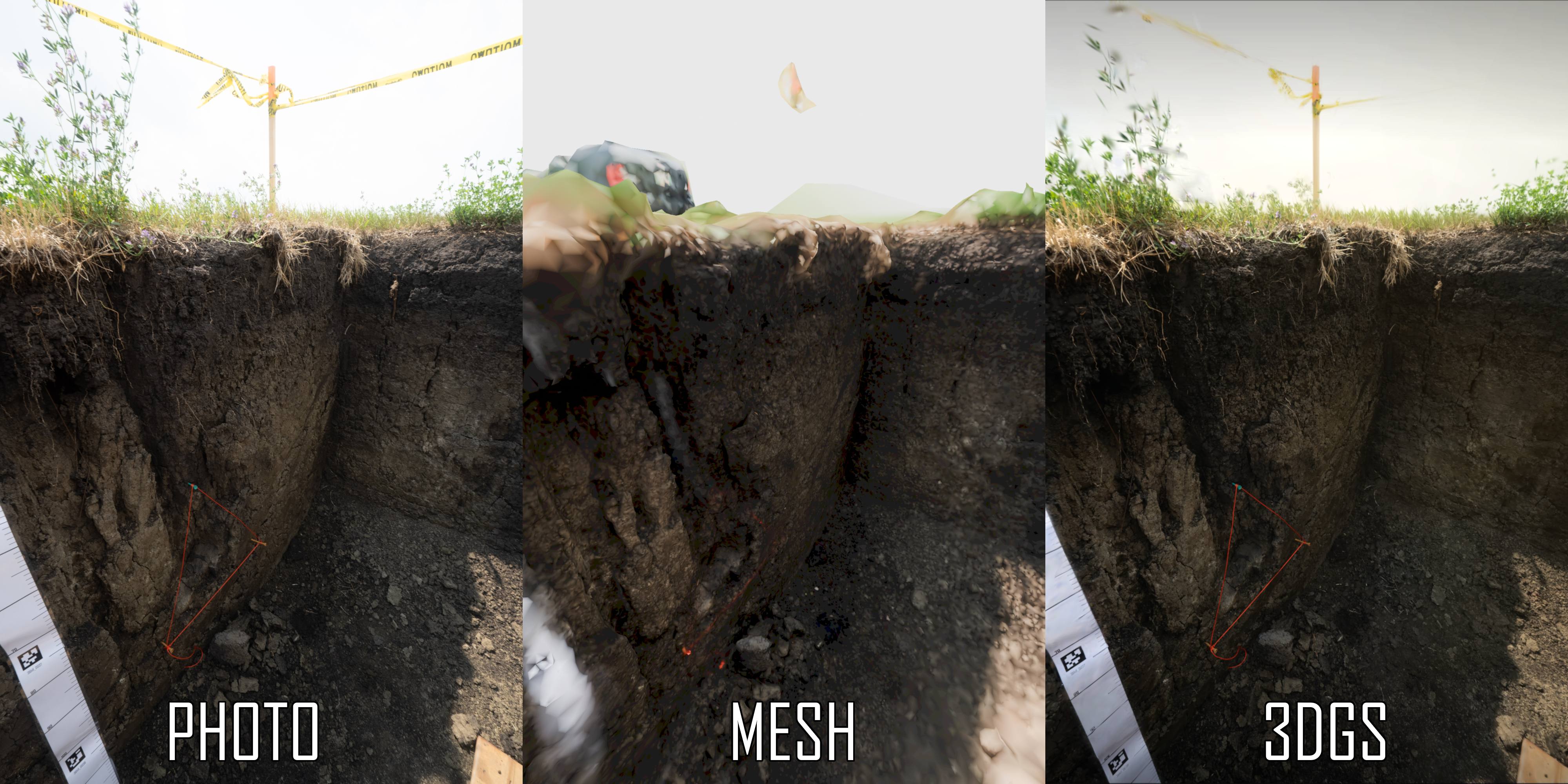
Why do we need Virtual Soils?
Soils are all around us. Whether we're in the city, or in the countryside there is soil somewhere near to us. In planters or parks, fields or forests. When teaching, or learning about soil finding it isn't the problem, the problem is accessing the diversity. As soil formation is impacted by the five soil formation factors Climate, Organisms, Relief, Parent Material, and Time (ClORPT), and these factors vary on the scale of landscapes.
The variation in soils across landscapes has led to the development of a variety of tools for soil science education, and science communication. Widely used tools include photos and videos of and about soils (Soil Horizons on Soil Web), soil monoliths both physical and digital (UBC Virtual Soil Monolith Collection, University of Alberta Soil Science Collection), and field courses.
The addition of Virtual Soils models to the field of soil science will allow for students in Canada and internationally to explore a great diversity of soils that would otherwise be inaccessible. The accessible web experience on virtualsoils.ca/ enables anyone on their phone or computer to explore the complete collection of soils, and to learn more about this critical resource.